
Is Barrel-Aged Coffee Better Than Regular Coffee?
- Khalil Mohammed

- May 8
- 8 min read
There's a growing category of coffee that doesn't fit neatly into the usual conversation about origins, roast levels, or brew methods. Barrel-aged coffee sits at the intersection of two craft worlds — specialty coffee and fine spirits — and it's attracting serious attention from drinkers who want more from their cup.
But does aging coffee in a whisky cask actually make it better? Or is it an expensive novelty dressed up in premium packaging? This article breaks down exactly what barrel-aged coffee is, how it compares to regular coffee across every dimension that matters, and whether it belongs in your rotation.
What Is Barrel-Aged Coffee?
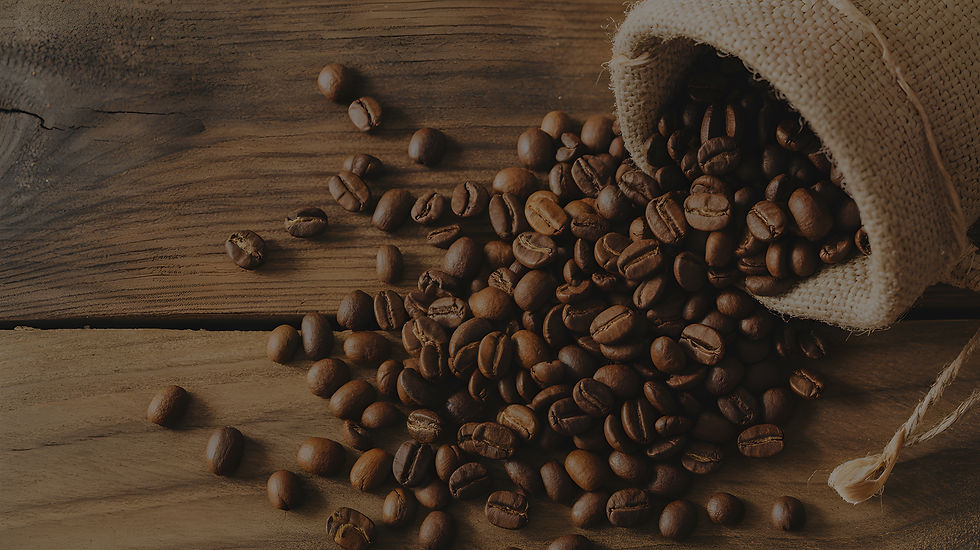
Barrel-aged coffee is made from green, unroasted beans that are placed inside previously used spirit casks and left to rest before roasting. During that resting period, the beans slowly absorb aromatic compounds embedded in the wood — oak tannins, vanillin, caramel — developing a flavor profile that no roasting technique alone can produce.
The process is entirely natural. There are no added syrups, extracts, or artificial flavoring involved. The complexity comes from time, wood, and craft.
At Oak & Barrel Coffee Co., single-origin Arabica beans sourced from high-elevation estates in India are aged for approximately 90 days inside cleaned, prepared single malt whisky casks. The barrels are selected specifically to preserve their aromatic character while ensuring zero alcohol contact. The result is a coffee that carries notes of toasted oak, caramel, and vanilla — layered, unhurried, and unmistakably distinct.
This isn't a new concept. Coffee transported on wooden ships centuries ago would absorb the flavors of their containers by accident. What's new is the intention and precision behind it. Specialty roasters began experimenting with controlled barrel aging in the mid-2010s, and what started as craft curiosity has matured into a serious and growing category. For a deeper look at how the process works from sourcing to roast, see our complete guide to barrel-aged coffee.
What Is Regular Coffee? Understanding the Baseline
Regular coffee begins with harvested coffee cherries, which are processed — washed, natural, or honey — before the beans are dried and roasted. Each decision along that chain shapes the final flavor. A light roast preserves the origin-driven brightness of a high-elevation Arabica, pulling out floral and citrus notes. A dark roast pushes toward chocolate, smoke, and bitterness. The roast level, bean origin, and processing method together form the flavor foundation of every cup.
Brewing method adds another layer. French press produces a full-bodied, oily result. Pour-over highlights clarity and brightness. Cold brew smooths out acidity and amplifies natural sweetness — all from the same beans.
What makes quality regular coffee remarkable is that its complexity is entirely origin-driven. No external aging, no additives — just soil, altitude, climate, and the craft of the roaster. A properly sourced and roasted single-origin bean, brewed with care, can be genuinely nuanced.
This is the baseline barrel-aged coffee is measured against. And it's a strong one. The real question isn't simply whether barrel aging adds something — it clearly does. The question is whether what it adds makes it better.
Barrel-Aged vs. Regular Coffee: A Side-by-Side Comparison
The differences show up across every dimension of the drinking experience.
Flavor Profile Regular coffee draws its character from origin and roast — citrus, nuts, fruit, or chocolate depending on the bean. Barrel-aged coffee layers those base notes with oak, vanilla, caramel, and warm spice absorbed from the cask. The result is noticeably more complex, though not always more immediately approachable.
Aroma Regular coffee delivers a clean, roast-forward aroma that varies by origin. Barrel-aged coffee carries something different — a bouquet that mingles roasted coffee with the aromatic memory of the cask. Oak & Barrel's whisky cask-aged coffee opens with warm toasted oak and a faint caramel sweetness before the coffee even reaches your lips.
Acidity Regular coffee, particularly light roasts, tends toward brighter, sharper acidity. Barrel aging mellows this considerably, producing a smoother, rounder cup that many drinkers find easier to enjoy without milk or sugar.
Body and Mouthfeel Both can range from light to full-bodied depending on brew method, but barrel-aged coffee often feels heavier and more substantial — closer to the experience of sipping an aged spirit than drinking a standard brew.
Caffeine Content Aging does not meaningfully alter caffeine levels. Both deliver comparable amounts per cup, determined primarily by bean variety and brew method.
Finish This is where barrel-aged coffee earns its reputation. Where regular coffee fades quickly, a well-aged bean lingers — leaving notes of oak, vanilla, or spice long after the last sip.
Does Barrel-Aged Coffee Contain Alcohol?
This is one of the most common questions — and the answer is no.
The aging process involves dry green beans resting inside a used cask, not soaking in liquid. By the time a barrel is prepared for coffee aging, the spirit it held has been removed. What remains is the wood itself — staves saturated with oak tannins, vanillin, and residual aromatic compounds. The beans absorb these compounds, not alcohol.
Any trace ethanol that might theoretically transfer is negligible and becomes nonexistent after roasting. The heat of the roasting process drives off remaining volatile compounds, alcohol included. What survives is flavor — not intoxicating content.
Oak & Barrel Coffee Co. takes this a step further. Every cask used in their aging process is cleaned and prepared specifically to ensure zero alcohol contact with the beans. The final product is clearly labeled 0.0% alcohol — making it suitable for all drinkers, regardless of dietary or religious requirements.
The spirit-forward character in the cup — the oak, the warmth, the caramel — is the result of chemistry and craft, not booze.
Is Barrel-Aged Coffee Worth the Price?
Barrel-aged coffee carries a premium over standard specialty coffee, and that premium reflects genuine production complexity. Sourcing single-origin beans, preparing and monitoring casks, aging in controlled environments for weeks or months, and roasting small batches with precision all add meaningful cost. This isn't commodity production — it's closer to the craft spirit model than the standard coffee supply chain.
When broken down per cup, the math becomes more reasonable. A quality bag of barrel-aged coffee yields roughly 25 to 30 cups. At that scale, the daily cost is still a fraction of a café purchase.
Who gets the most value from it depends on the drinker. Whisky enthusiasts find immediate familiarity in the flavor language — oak, vanilla, caramel are well within their frame of reference. Specialty coffee drinkers who already seek out single-origin lots and pay attention to tasting notes will find barrel-aged coffee genuinely rewarding rather than simply novel.
For drinkers who take coffee heavily with milk and sugar, or who drink it purely for caffeine, the nuance that justifies the price will largely be lost.
Oak & Barrel's approach reflects this clearly. The brand is not positioned as an everyday convenience product. It's designed for those who treat the brewing process as part of the experience — a coffee worth slowing down for.
How to Brew Barrel-Aged Coffee for the Best Results
Barrel-aged coffee rewards a little extra attention. The aromatic compounds absorbed during aging are more delicate than those developed through roasting alone, and the wrong method can easily obscure what makes it worth drinking.
Best Methods
French press and pour-over are the most reliable for hot brewing — both allow the full flavor profile to develop without stripping body or flattening nuance. Cold brew, however, is where barrel-aged coffee genuinely excels. The slow, low-temperature extraction over 16 to 24 hours draws out oak, vanilla, and caramel with exceptional clarity. Oak & Barrel offers a dedicated cold brew format specifically for this reason.
Grind and Ratio
Go slightly coarser than you would for regular coffee. Over-extraction turns delicate barrel notes bitter. For cold brew, a 1:8 coffee-to-water ratio works well. For hot brewing, 1:15 is a reliable starting point.
Water Use filtered water. Chlorine and heavy minerals disrupt the subtler aromatic compounds that barrel aging introduces.
What to Avoid
Skip heavily flavored milk additions — they bury the complexity you're paying for. Serve black, or over a single large ice cube if drinking cold.
How to Choose a Quality Barrel-Aged Coffee
The barrel-aged coffee market ranges from genuinely crafted products to marketing-driven imitations. The label tells you which is which.
Reputable producers are transparent. Look for specific information — barrel origin, cask type, aging duration, and roast date. A product that simply says "barrel-inspired flavor" or "spirit-infused" without further detail is almost certainly artificially flavored. True barrel-aged coffee derives every note from the wood and the process alone, with no added extracts or oils. For a full breakdown of this distinction, read our article on how barrel-aged coffee differs from flavored coffee.
Roast level matters too. Medium roast is the sweet spot — light roasts can clash with heavier cask compounds, while dark roasts bulldoze the nuance the aging worked to create.
Oak & Barrel Coffee Co. publishes full transparency on their process: single-origin Indian Arabica, 90-day aging in cleaned single malt whisky casks, medium roast at 200°C, and 0.0% alcohol certification. That level of documentation is exactly what a quality product should provide.
Who Should (and Shouldn't) Try Barrel-Aged Coffee?
Barrel-aged coffee isn't for everyone — and that's not a criticism. It's a specific product built for a specific kind of drinker.
Who Should Try It
Whisky and fine spirits enthusiasts are the most natural fit. The flavor profile — toasted oak, vanilla, caramel, warm spice — is immediately familiar, and finding those notes in a coffee cup feels like a logical crossover rather than a novelty.
Specialty coffee drinkers who already seek out single-origin lots, experiment with brew methods, and read tasting notes with genuine interest will find barrel-aged coffee adds a new and rewarding dimension to their practice.
Adventurous drinkers who enjoy naturally processed, fermented, or experimental coffees are also strong candidates. If complexity and craft already drive your purchases, barrel aging is a natural next step.
Who Should Probably Skip It
Drinkers who take coffee with generous milk, cream, or flavored syrups will lose most of what the aging adds. Those who drink coffee purely for caffeine will find the premium difficult to justify — the functional result is identical to a standard specialty coffee.
The simplest filter: if you already read what's on a coffee bag with genuine curiosity, barrel-aged coffee was made for you.
Frequently Asked Questions
Is barrel-aged coffee stronger than regular coffee?
Not in terms of caffeine. Where it's "stronger" is in flavor intensity — the layered complexity can make it feel like a more powerful experience even though the caffeine delivery is comparable.
Does barrel-aged coffee taste like alcohol?
It carries aromatic notes reminiscent of the cask — oak, vanilla, caramel — but doesn't taste like drinking whisky. The character is subtle and integrated, not sharp or boozy. Oak & Barrel's coffee is certified 0.0% alcohol.
Is barrel-aged coffee a gimmick?
When produced with transparency and craft, no. Producers who disclose sourcing, aging duration, and process details are delivering something genuinely distinct. Artificially flavored imitations exist — the label is always the tell.
How should I store barrel-aged coffee beans?
In an airtight container, away from light, heat, and moisture, at room temperature. Because barrel-aged beans have absorbed additional moisture during aging, a properly sealed container matters more here than with regular coffee.
Which brewing method works best?
Cold brew. The slow extraction amplifies the oak and caramel notes developed during aging better than any hot method. Oak & Barrel offers a dedicated cold brew format for exactly this reason.
The Verdict — Is Barrel-Aged Coffee Actually Better?
Better is the wrong frame. Barrel-aged coffee isn't an upgrade to regular coffee — it's a different experience entirely.
For complexity, depth, and a multi-layered sensory occasion, it wins decisively. No standard coffee, regardless of origin or roast quality, produces the same result. For daily drinking, consistent value, and straightforward preparation, quality regular coffee holds its ground comfortably.
Oak & Barrel Coffee Co. positions their product accordingly — not as a replacement for your morning brew, but as something to return to when the process itself is part of the point. A ritual rather than a routine.
If you've never tried barrel-aged coffee, one bag brewed as a cold brew or French press, drunk black, is all the evidence you need. Most people find it doesn't replace their regular coffee. It simply earns a permanent place alongside it.
Ready to try it? Explore our best barrel-aged coffee beans and find the right place to start.


Comments